







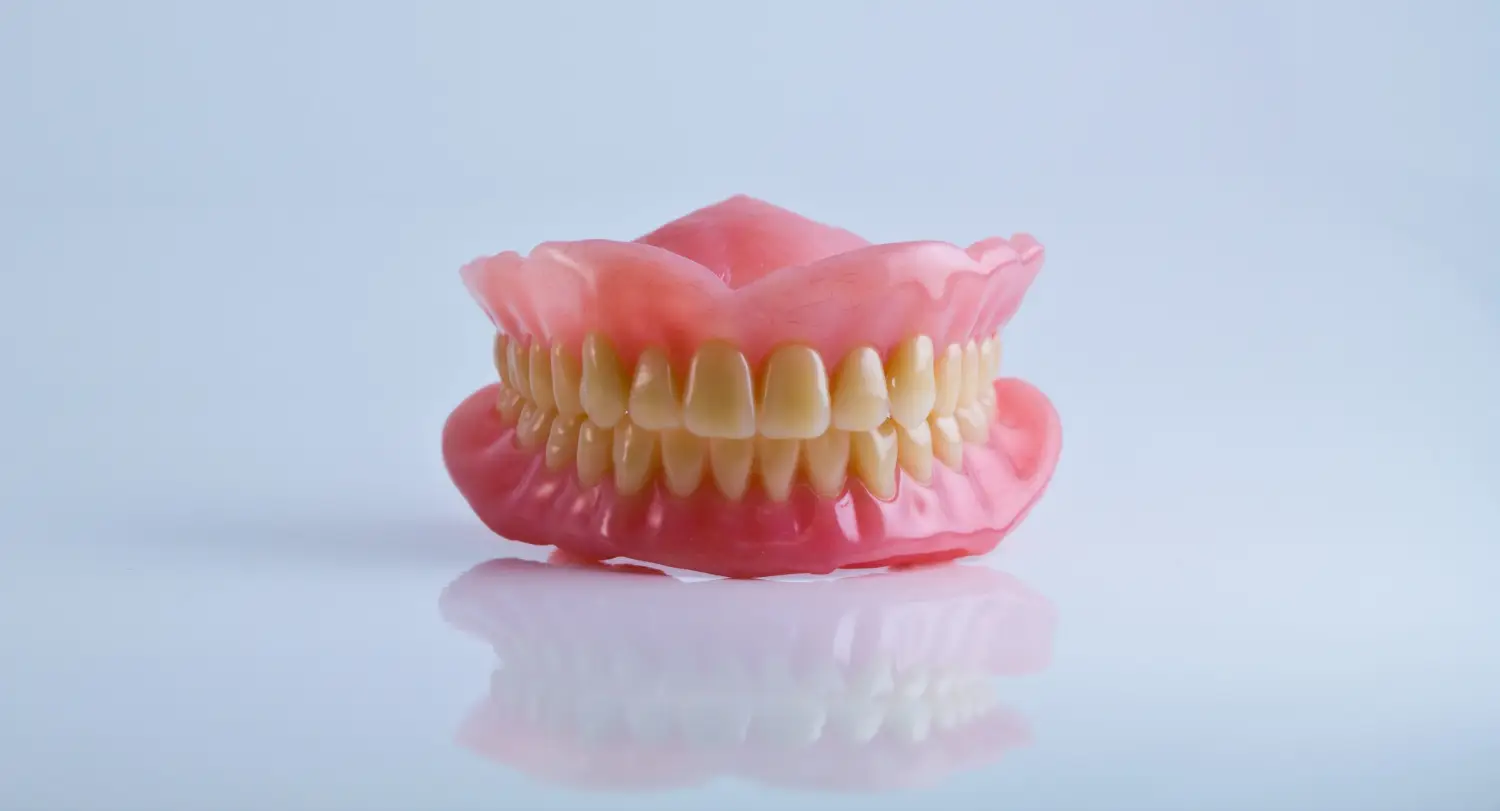
Dentures are removable dental appliances used to replace missing teeth and surrounding tissues in the oral cavity. They are designed to resemble natural teeth and gums and can restore the appearance and functionality of a person's mouth when natural teeth are lost or removed due to various reasons, such as tooth decay, gum disease, injury, or aging.
Complete Dentures: These are used when all of a person's natural teeth are missing.
Partial Dentures: Partial dentures are used when some natural teeth remain in the mouth. They consist of replacement teeth attached to a base made of metal, plastic, or a combination of materials. Partial dentures are often held in place by clasps that attach to the remaining natural teeth, ensuring stability and functionality.
Initial Consultation: A dentist evaluates your oral health and discusses the different denture options based on your needs and preferences.
Impressions: Precise impressions of your mouth are taken to create a mold for the dentures.
Fitting: Dentures are custom-made based on the impressions and your dentist's guidance. Once they are ready, you will have fitting sessions to ensure they fit comfortably and function properly.
Adjustments: Periodic adjustments may be necessary as your mouth adapts to the dentures or due to changes in the shape of your gums and jawbone.
Maintenance: Proper care and maintenance of dentures are crucial for their longevity. This includes regular cleaning, removal at night, and occasional professional check-ups.
Dentures can greatly improve a person's ability to eat, speak, and smile confidently. However, they may take some time to get used to, and adjustments may be needed over time. It's essential to maintain good oral hygiene and visit your dentist regularly for check-ups and adjustments to ensure your dentures continue to fit well and function effectively.
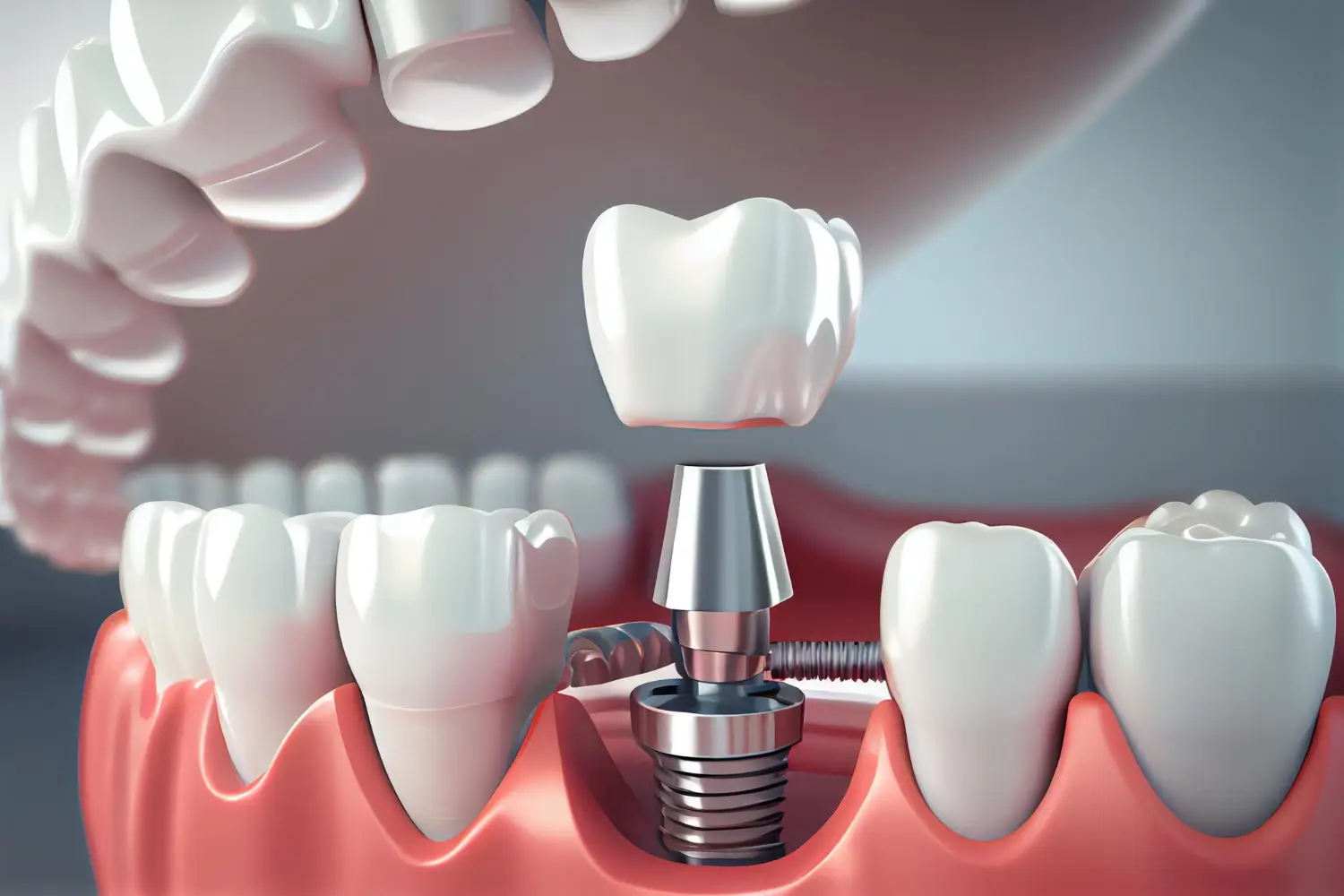
Dental Implants are artificial devices used to replace missing teeth. Implants come in many different sizes and shapes and they are placed into the bone to act as support for a prosthetic crown.
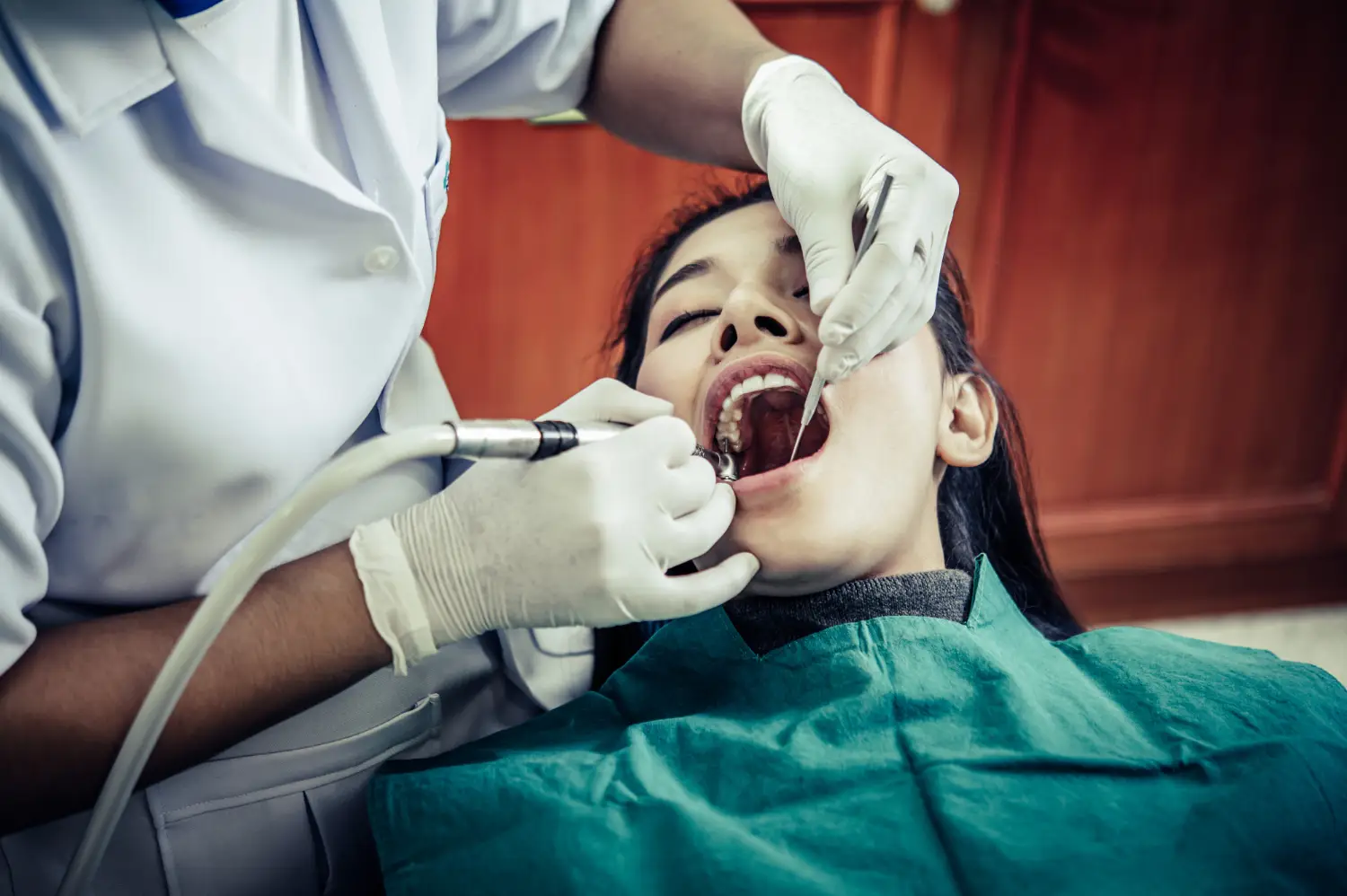
This is the part of the tooth you can see above the gumline. This part of the tooth sits in the bone below the gum. The root of your tooth is usually twice as long as the crown, the part you see above the gumline.
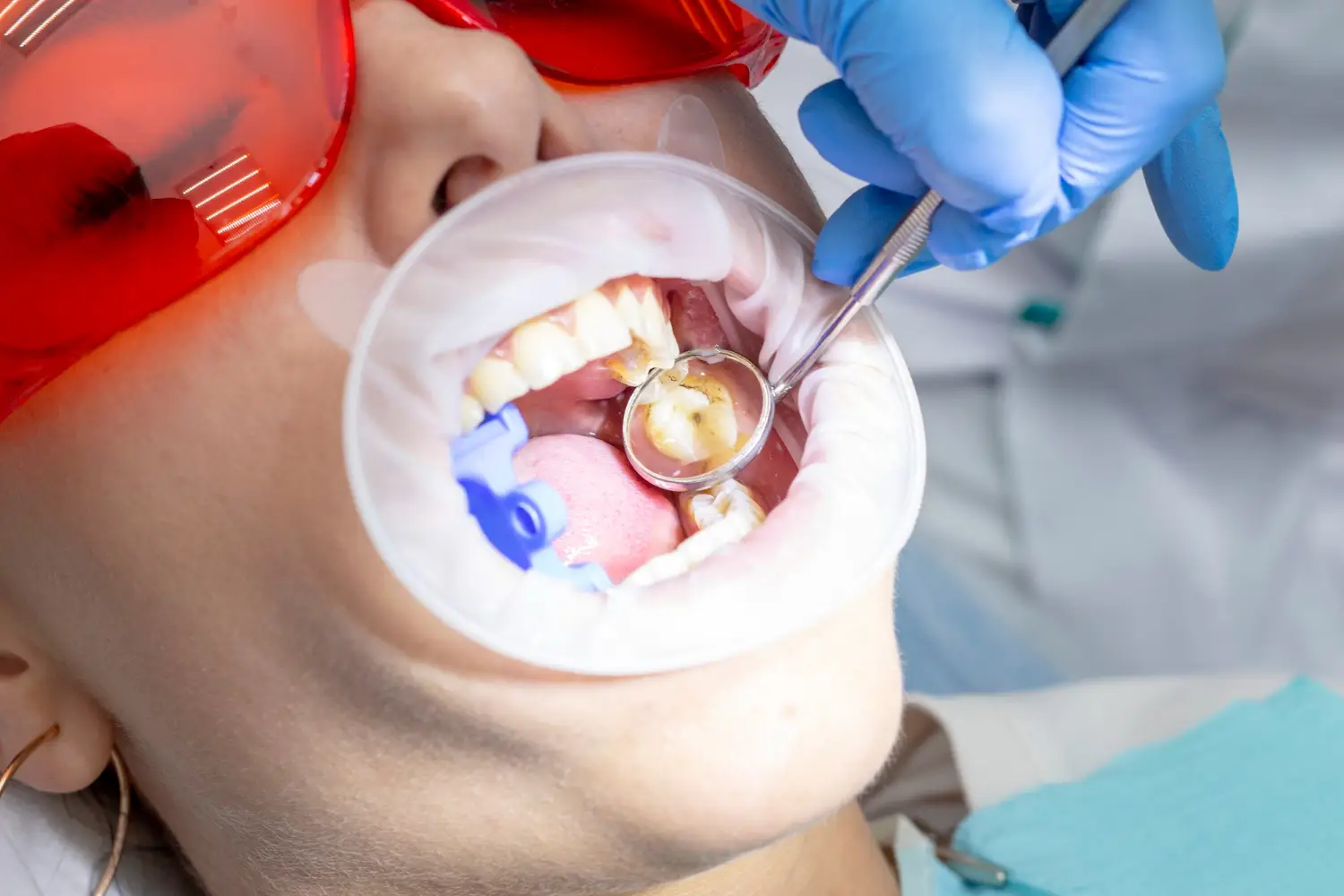
Wisdom may be a highly sought-after quality, but wisdom teeth can be rather a pain to deal with! Most of us have wisdom teeth that are ungainly and painful, having grown in crooked, impacted or misshapen.

What should I use to clean my baby’s teeth? A toothbrush will remove plaque bacteria that can lead to decay. Any soft bristled toothbrush with a small head, preferably one designed specifically for infants
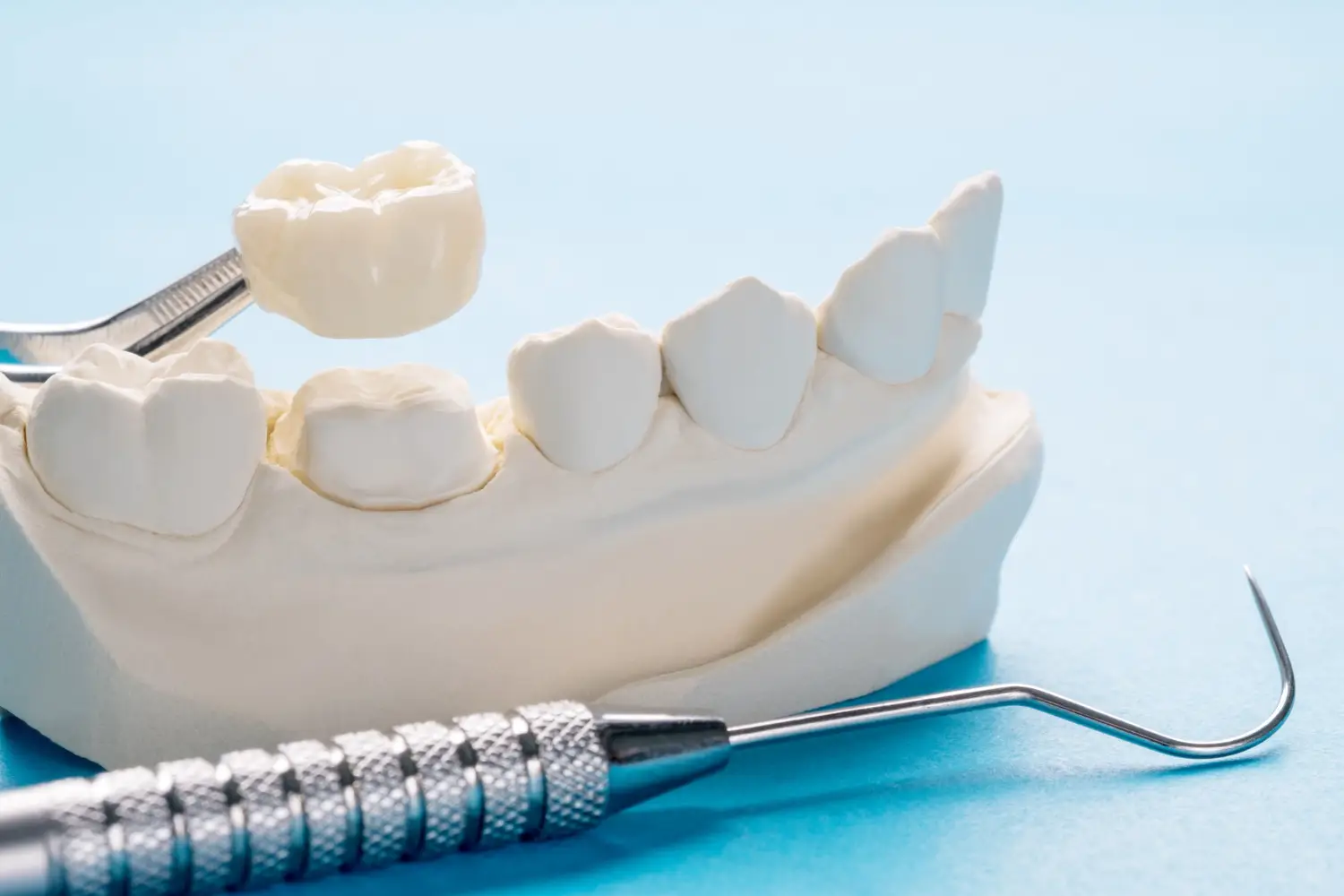
Dental crowns are primarily used to repair and strengthen damaged teeth. Dental crowns are routinely made for those teeth that have broken, have had largeportions destroyed by tooth decay or have had root canal treatment.
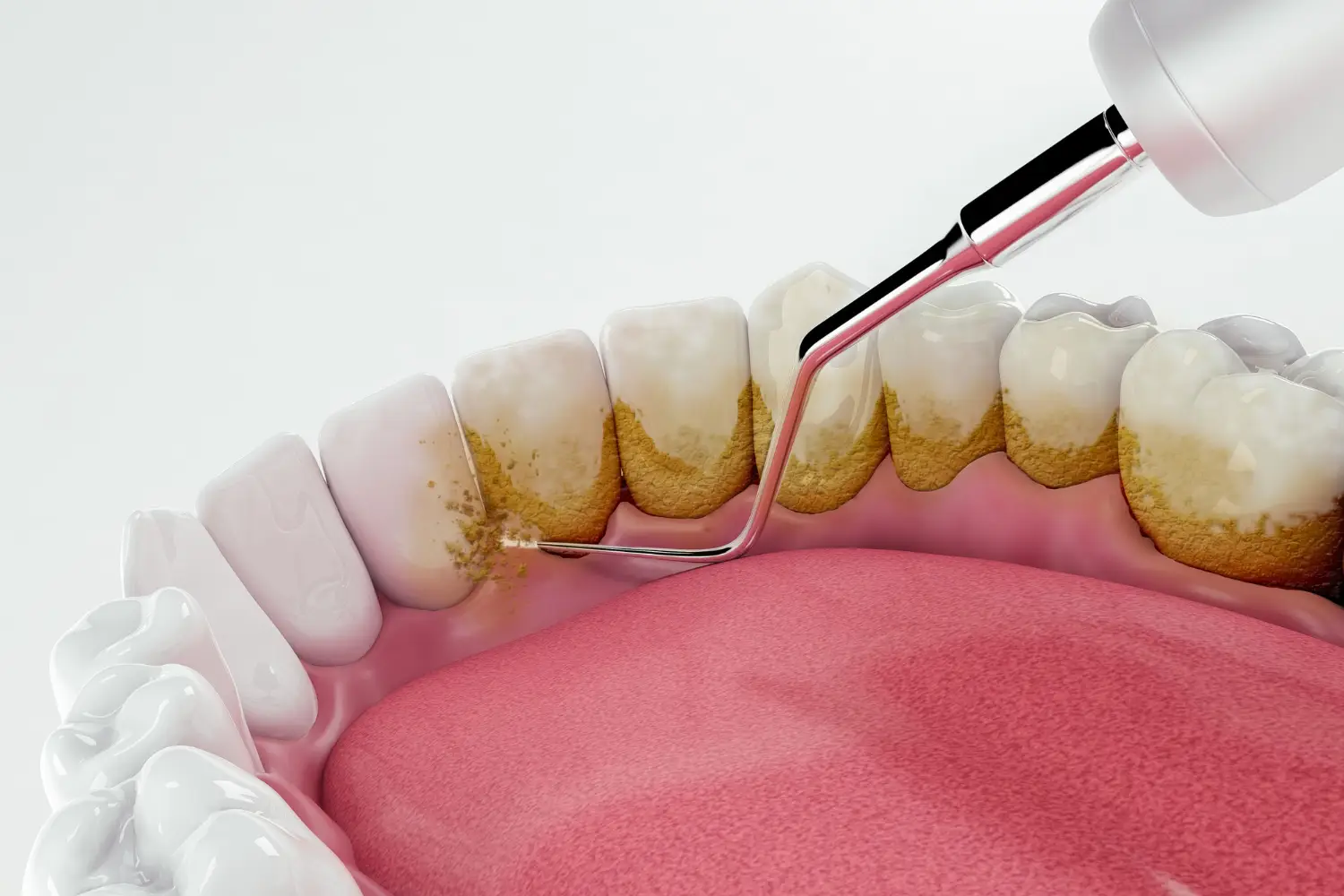
Does your smile create an immediate impact on people you meet, impressing them with your radiance, happiness and warmth? If you need to think a little before answering that question
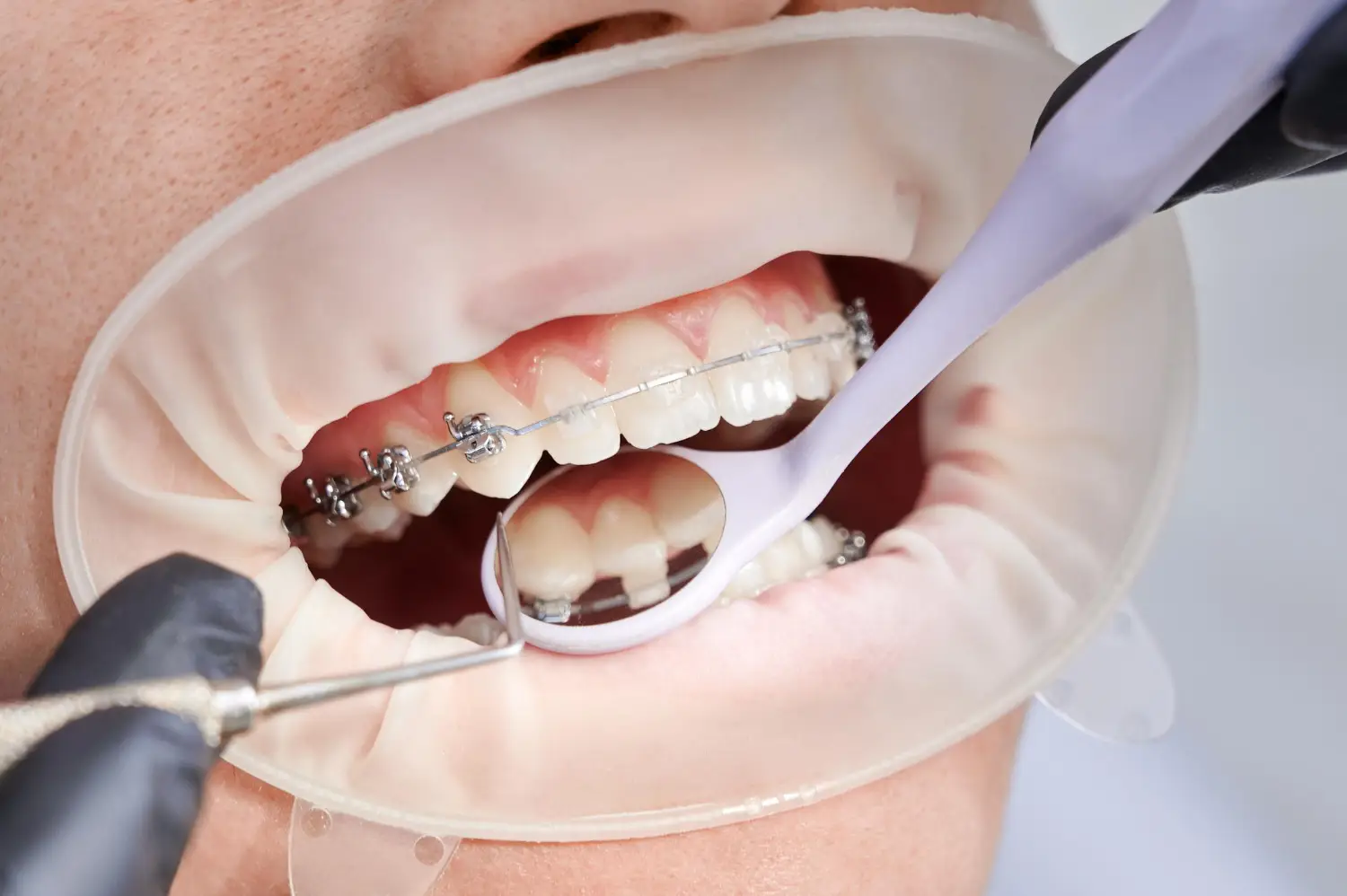
Orthodontists are dental specialists who diagnose and treat problems with the position, alignment or spacing of the teeth, and related irregularities in the face and the jaw.

If you find yourself secretly stewing in jealousy when someone smiles and shows off their perfect teeth, it’s time to stop. At Shree Devam Dental Clinic, our well-trained and experienced dentists