







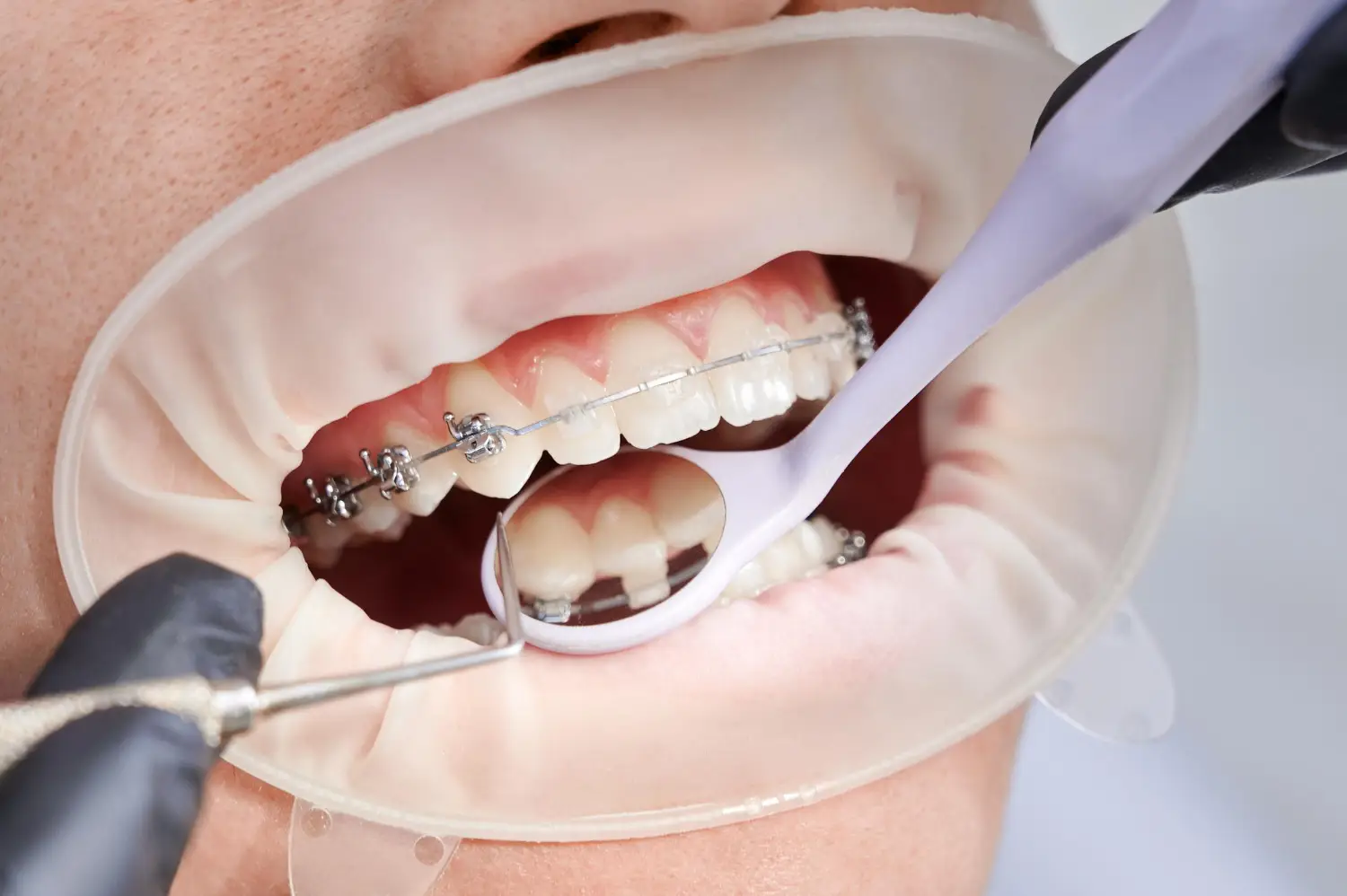
Orthodontic treatment is a branch of dentistry that focuses on the diagnosis, prevention, and correction of misaligned teeth and jaws. It is primarily aimed at improving a person's oral health and aesthetics by addressing issues like malocclusions (improper bites), crowded teeth, crooked teeth, and other dental irregularities. Here are some key aspects of orthodontic treatment:
Orthodontist: An orthodontist is a specialized dentist who undergoes additional training and education to diagnose and treat orthodontic problems. They are experts in using various orthodontic appliances and techniques to correct dental misalignments.
Treatment Duration: The duration of orthodontic treatment varies depending on the severity of the problem and the chosen treatment method. It can range from several months to a few years.
Orthodontic Consultation: Before starting orthodontic treatment, a thorough examination and consultation with an orthodontist are essential. X-rays, photographs, and dental impressions may be taken to develop a personalized treatment plan.
Maintenance: Patients must follow their orthodontist's instructions for proper care and maintenance of their braces or aligners. This includes regular check-ups and adjustments.
Age Considerations: While orthodontic treatment is often associated with adolescence, it can be beneficial for individuals of all ages. Adult orthodontics have become increasingly common as more discreet treatment options are available.
Orthodontic treatment can have a significant impact on a person's confidence, oral health, and overall well-being by creating a functional and aesthetically pleasing smile. If you have concerns about your dental alignment, it's advisable to schedule a consultation with an orthodontist to discuss your options and determine if orthodontic treatment is right for you.
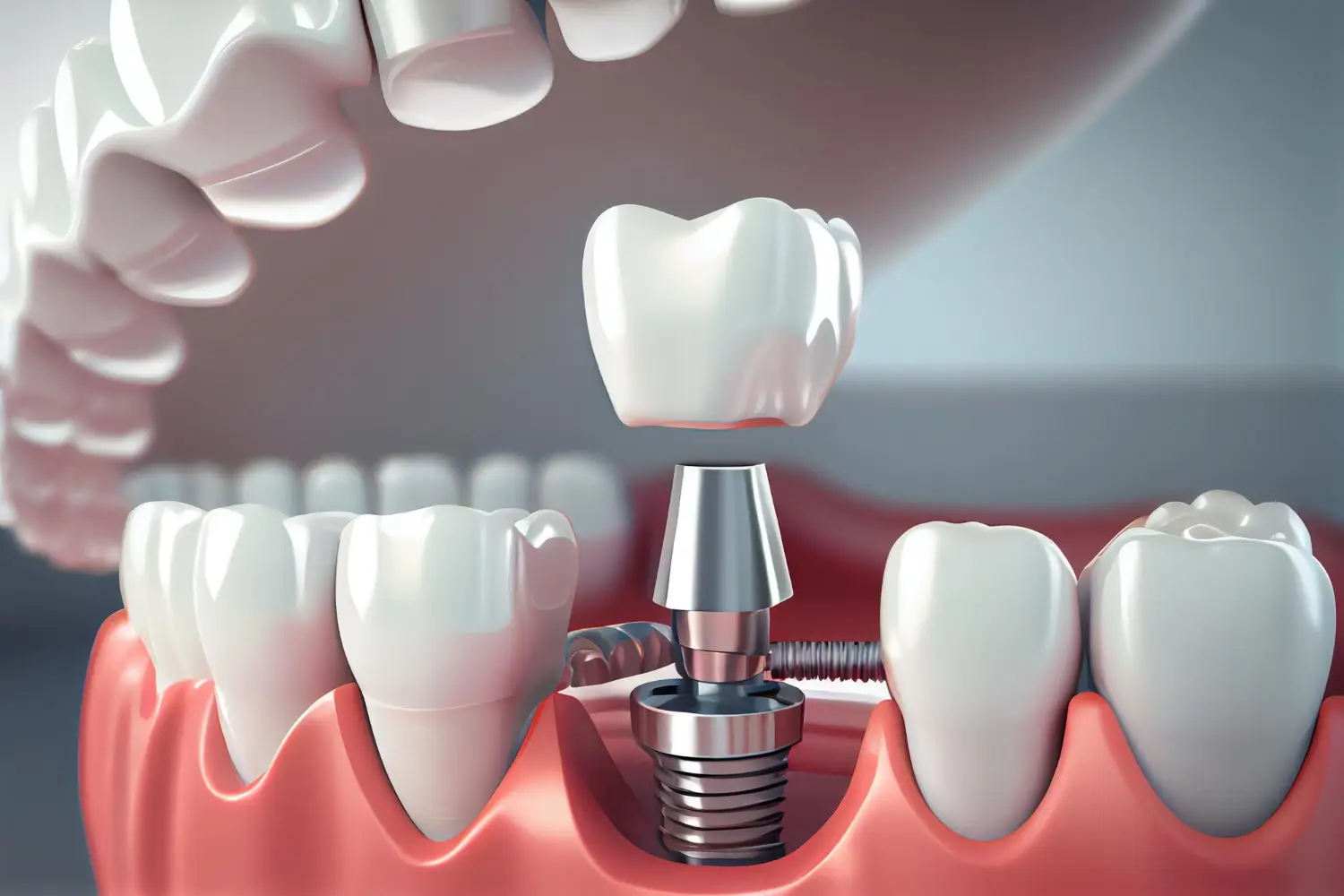
Dental Implants are artificial devices used to replace missing teeth. Implants come in many different sizes and shapes and they are placed into the bone to act as support for a prosthetic crown.

This is the part of the tooth you can see above the gumline. This part of the tooth sits in the bone below the gum. The root of your tooth is usually twice as long as the crown, the part you see above the gumline.
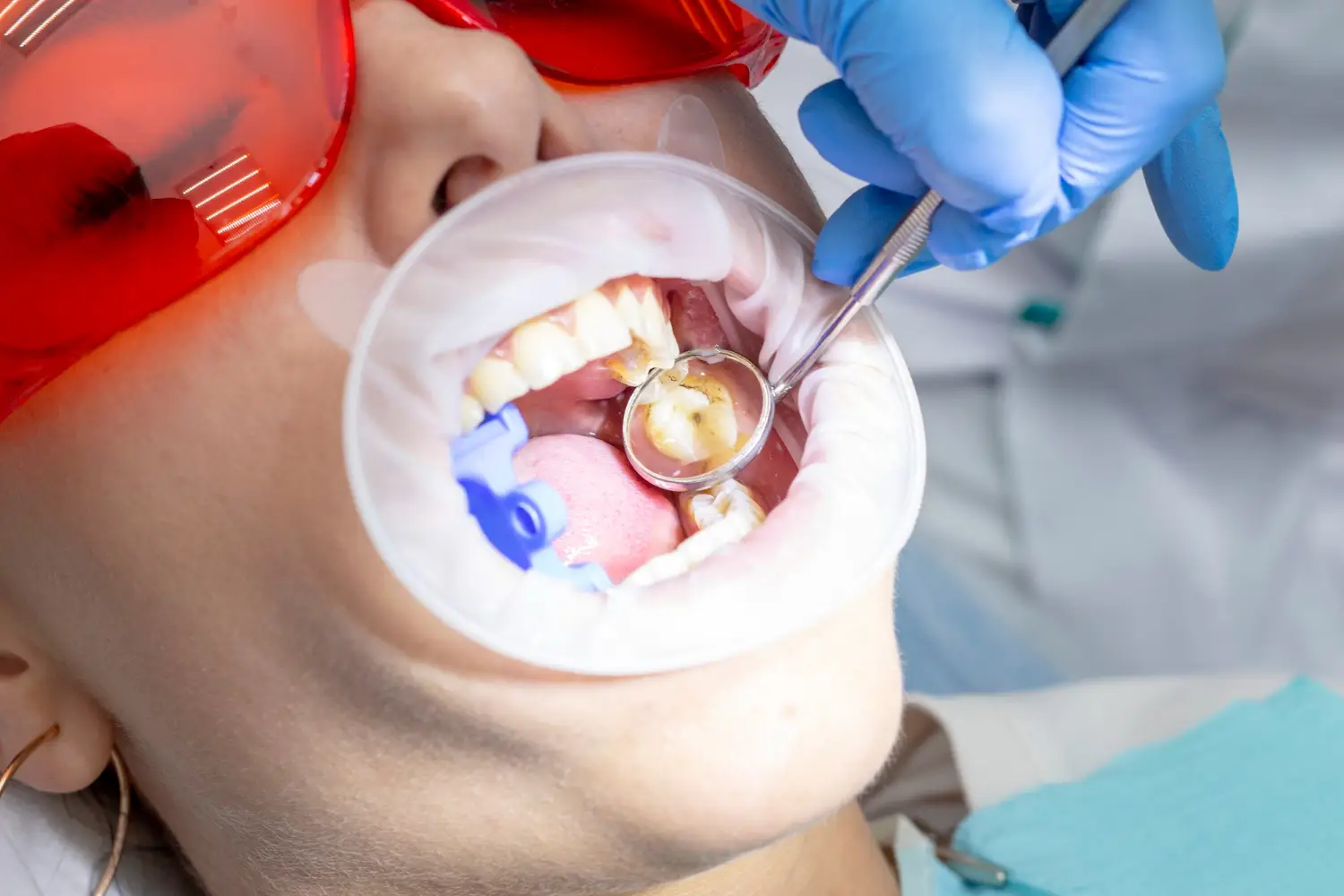
Wisdom may be a highly sought-after quality, but wisdom teeth can be rather a pain to deal with! Most of us have wisdom teeth that are ungainly and painful, having grown in crooked, impacted or misshapen.

What should I use to clean my baby’s teeth? A toothbrush will remove plaque bacteria that can lead to decay. Any soft bristled toothbrush with a small head, preferably one designed specifically for infants
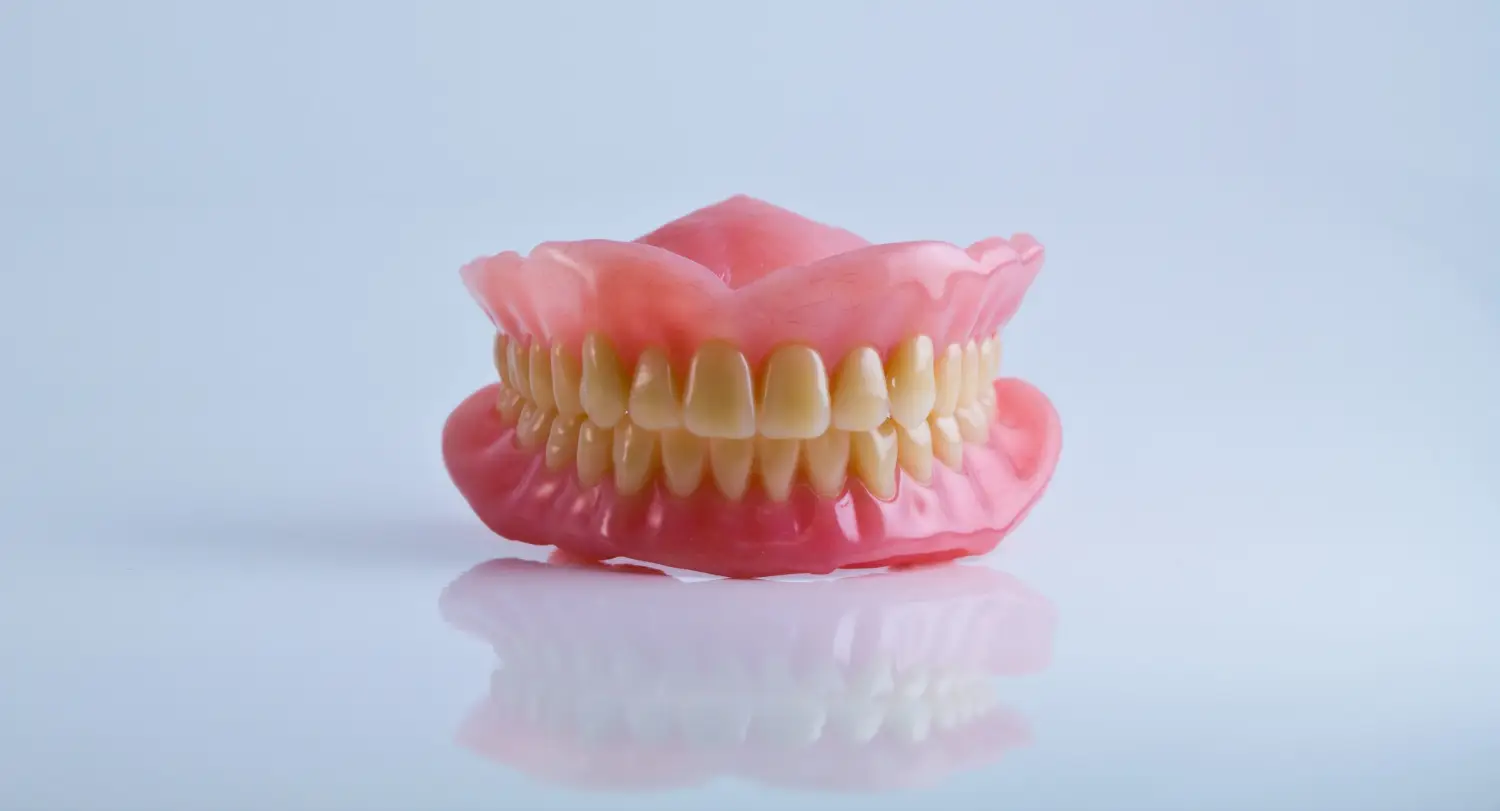
I want dentures. Where do I start? The best starting point to see if dentures are an option for you is to see your general dentist or a prosthodontist. A prosthodontist is a specialist with an additional
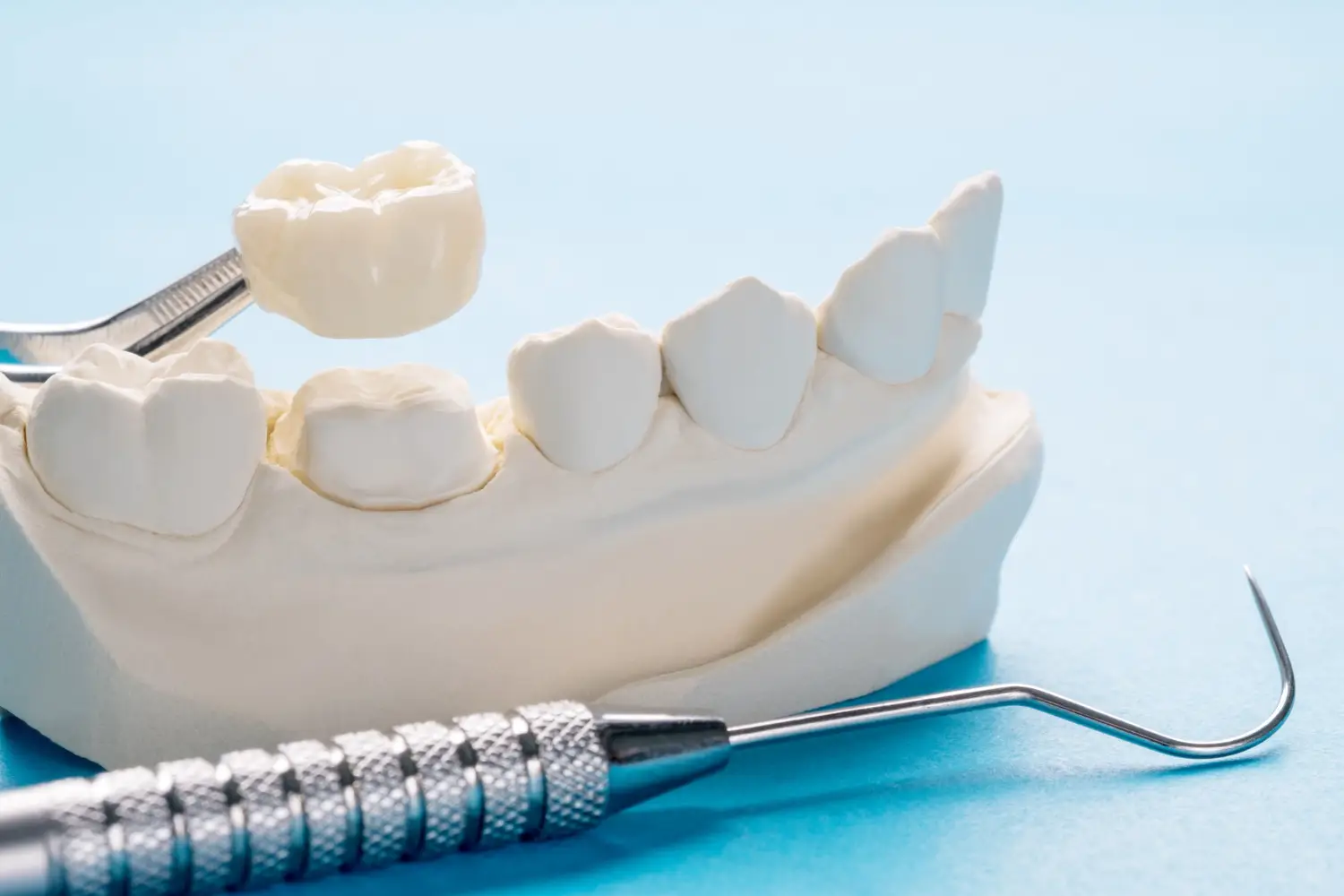
Dental crowns are primarily used to repair and strengthen damaged teeth. Dental crowns are routinely made for those teeth that have broken, have had largeportions destroyed by tooth decay or have had root canal treatment.
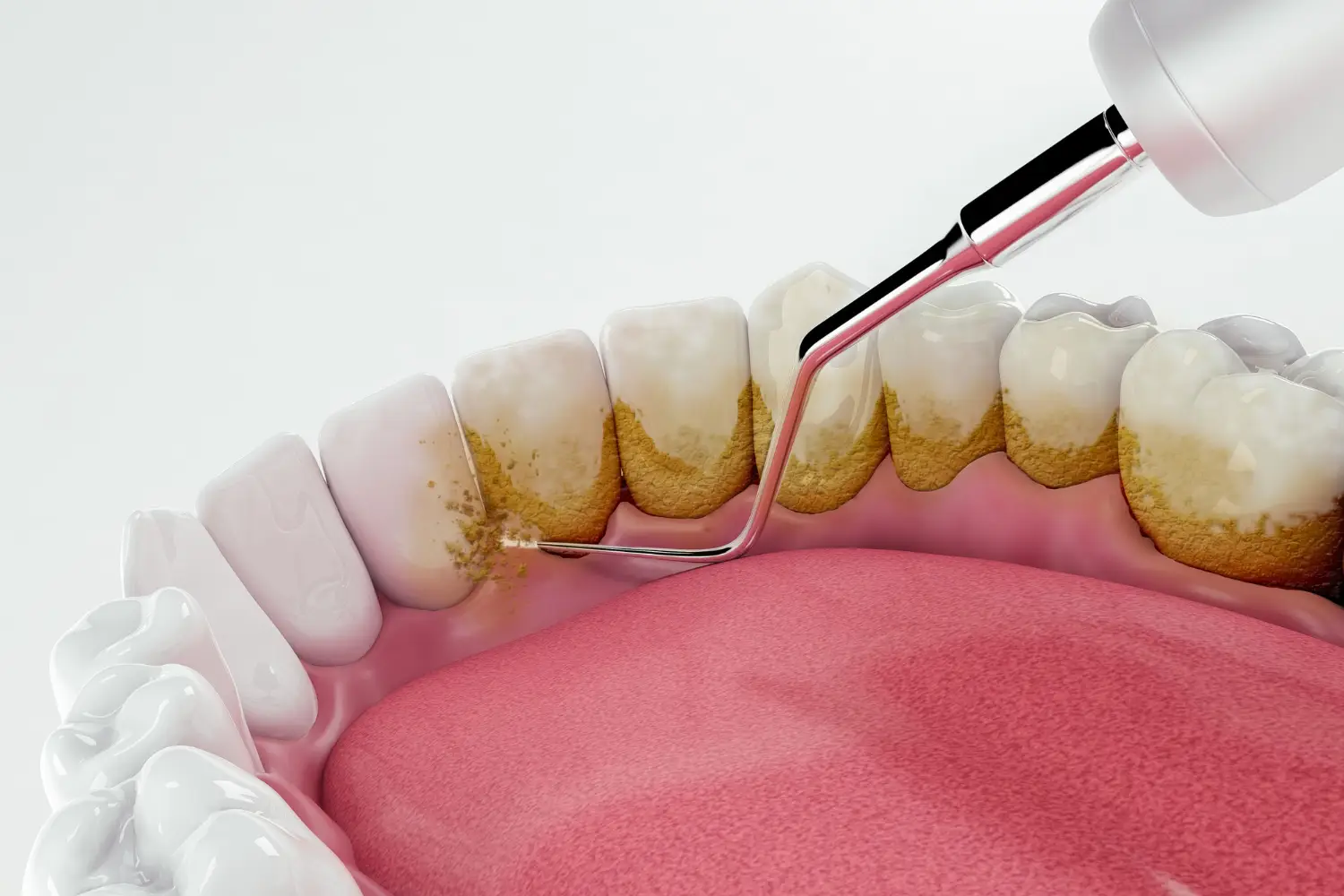
Does your smile create an immediate impact on people you meet, impressing them with your radiance, happiness and warmth? If you need to think a little before answering that question

If you find yourself secretly stewing in jealousy when someone smiles and shows off their perfect teeth, it’s time to stop. At Shree Devam Dental Clinic, our well-trained and experienced dentists